
Key Takeaways
- Athlete mental health includes mood, stress response, identity, and sleep, not just visible performance.
- Pressure to perform, injury, and identity tied to sport are common stress points for competitive athletes at every level.
- Warning signs often appear as changes in sleep, appetite, motivation, or irritability before an athlete says anything out loud.
- Evidence-based therapy and sports psychology support are available on-site, virtually, or alongside a training schedule.
- Early conversations about struggle protect both the athlete’s career and their long-term well-being.
When the game ends but something doesn’t look right
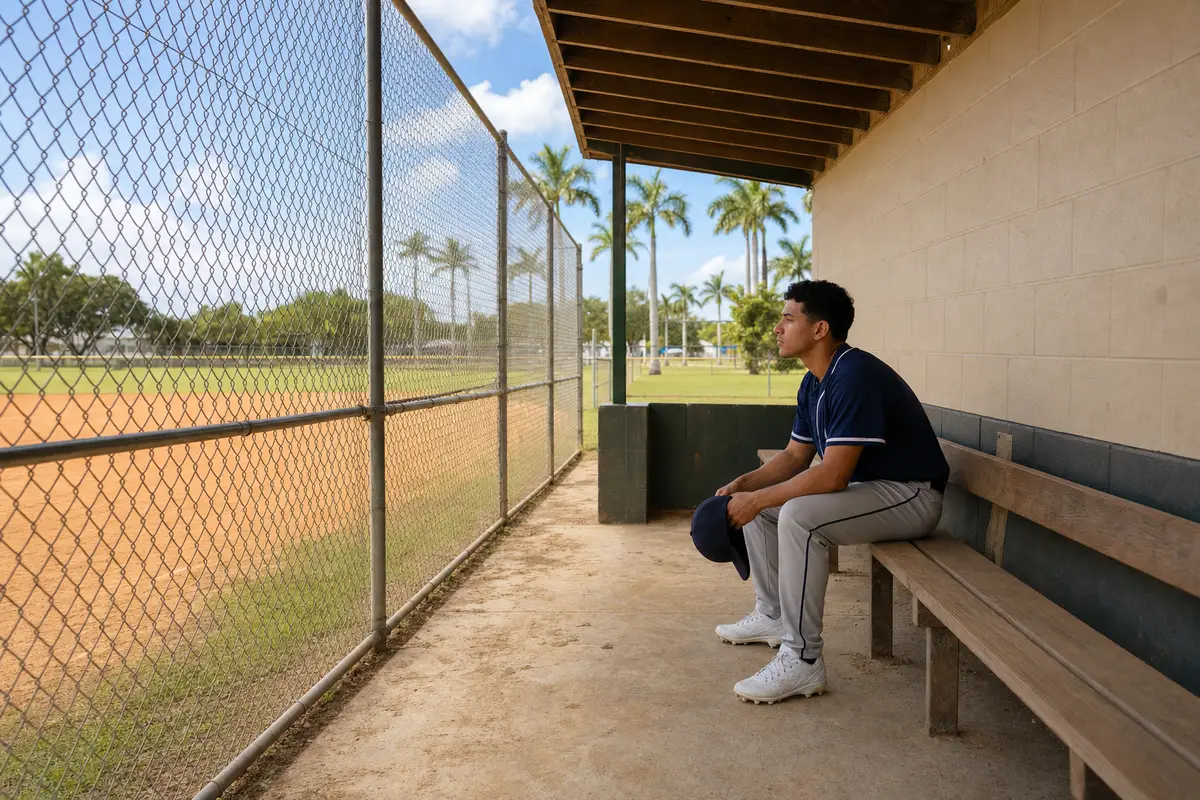
When you watch a young athlete walk off the field after a loss, head down, saying nothing, it’s fair to wonder if it’s just disappointment or something heavier. Parents, coaches, and the athletes themselves often struggle to name what they’re seeing. Athlete mental health is not a separate category from mental health in general. It is mental health shaped by a specific set of pressures: performance expectations, physical risk, public scrutiny, and an identity often built entirely around a sport.
This matters because competitive sport asks a lot of a person’s mind, not just their body. The same drive that produces a great performance can also contribute to chronic anxiety, disordered eating, or burnout when it goes unaddressed. Recognizing the difference between normal competitive stress and a mental health concern that needs support is the first step toward protecting an athlete long after the final whistle. Families who learn to spot these patterns early are better positioned to act before a quiet struggle becomes a crisis.
What does athlete mental health actually mean?
Athlete mental health refers to the emotional, psychological, and social well-being of a person who competes in sport, and how that well-being is affected by training demands, competition, injury, and identity tied to performance. It includes common concerns like anxiety and depression, but also sport-specific patterns such as performance anxiety, overtraining, and burnout. These patterns do not always look like what people expect from a mental health concern, which is part of why they go unaddressed for so long.
The term matters because athletes face a layered set of pressures that non-athletes typically don’t. A missed shot or a slow season isn’t just a bad day. For many athletes, it feels like a threat to their identity, their scholarship, their spot on the roster, or their sense of self-worth. What is a sports psychologist and how that role differs from general mental health care is a common early question for families trying to find the right kind of support. Understanding that distinction early can shorten the time between noticing a problem and getting it addressed.
Why sport creates a distinct set of mental health risks
Training schedules compress sleep and recovery time. Competition creates public, measurable outcomes in a way few other youth or adult activities do. Injury can end a season or a career with little warning. All of this sits on top of whatever ordinary life stress the athlete is already carrying, from school to work to family.
Research and clinical practice in sports psychology treat these as real, distinct risk factors, not just the cost of being competitive. An athlete’s mental health can decline while their performance stats still look fine, because they’ve learned to perform through distress rather than resolve it. That gap between visible performance and internal state is exactly why outside observation from parents and coaches matters so much.
How does athlete mental health show up in daily life?
It appears as changes that are easy to miss if you’re only watching the scoreboard. Sleep disruption, appetite changes, irritability with teammates or family, loss of enjoyment in a sport the athlete used to love, and a drop in motivation during practice are common early signs. None of these signs on their own confirms a problem, but a cluster of them lasting more than a couple weeks is worth attention.
Performance anxiety and pressure
Some athletes carry a level of pre-competition nerves that goes beyond normal jitters. It can include nausea, racing thoughts, trouble sleeping the night before a game, or a mental freeze during competition that doesn’t match their actual skill level. Performance anxiety in athletes is treatable, and recognizing it as a distinct pattern rather than a character flaw changes how coaches and parents respond to it. Treating it as a skill gap rather than a personal failing opens the door to practical, structured support.
Burnout and overtraining
Burnout looks different from ordinary tiredness. An athlete experiencing burnout often shows reduced motivation, emotional exhaustion, a sense of reduced accomplishment despite effort, and sometimes physical symptoms like frequent minor injuries or illness. Athlete burnout signs, causes, and recovery often get missed because coaches and parents assume the athlete just needs to push through. Pushing through burnout deepens it instead of resolving it, which is why early recognition changes the outcome.
Identity tied to sport
Consider a high school athlete who has played the same sport since age seven. Their friend group, their schedule, their sense of being good at something, all of it runs through that sport. An injury, a cut from the team, or graduation can set off an identity crisis that looks, from the outside, like simple sadness about missing a season. It is often much more than that, and it deserves a direct, specific conversation rather than a general check-in.
What does support for athlete mental health actually involve?
Support typically combines therapy focused on the athlete’s specific stressors with practical mental skills training that fits around a competition schedule. This is different from general talk therapy in that it often addresses performance, recovery timelines, and return-to-play decisions directly. The goal is not just symptom relief but a working relationship between the athlete’s mental state and their training.
Working with a sports psychologist
What does a sports psychologist do in practice includes helping athletes manage pre-competition anxiety, process injury and setbacks, rebuild confidence after a slump, and navigate the end of a sports career. This work draws on standard evidence-based therapy methods, applied to the specific demands of competitive sport. A sports psychologist understands both the clinical picture and the culture of competition, which shapes how sessions are structured.
Mental training as a daily practice
Mental skills work isn’t limited to crisis moments. Mental training for athletes includes techniques like visualization, breathing regulation before competition, and structured self-talk that athletes practice the same way they practice a skill drill. These tools build resilience before a crisis happens, not just after. Treating mental skills as a practice, rather than a fix, is what makes them durable over a season or a career.
Why this field exists as its own specialty
Why sports psychology matters comes down to one fact: an athlete’s mental state directly affects their physical performance, their injury risk, and their long-term relationship with their sport. Treating mental health and athletic performance as separate issues misses how closely they’re connected. Programs that integrate the two see mental health support as part of training, not an exception to it.
How can parents and coaches recognize when to step in?
Step in when changes in mood, sleep, eating, or motivation last more than two weeks, or when an athlete talks about their sport with dread instead of interest. A sudden drop in performance that doesn’t match physical health or recent training is also worth a direct conversation. Waiting for an athlete to bring it up first often means waiting too long.
Ask open questions rather than performance questions. Instead of “how did the game go,” try “how are you feeling about the season.” Athletes who feel evaluated constantly often need one conversation that isn’t about results. That single shift in tone can be what makes an athlete willing to say what’s actually going on.
If an athlete talks about not wanting to be here anymore, or expresses hopelessness beyond normal disappointment, take it seriously and get them connected to a professional immediately. If you or someone you know is in immediate danger, call or text 988 (Suicide & Crisis Lifeline).
Does getting help affect an athlete’s standing on a team?
Getting mental health support does not have to interfere with an athlete’s eligibility, playing time, or team standing when it’s arranged thoughtfully around their schedule. Many athletes manage therapy the same way they manage physical therapy for an injury, as a normal part of staying competitive. Coaches who understand this tend to build it into the season rather than treating it as a disruption.
Coaches and athletic programs increasingly treat mental health support as part of overall athlete care rather than something separate or optional. An athlete working with a therapist on performance anxiety is doing the same kind of skill-building as one working with a strength coach. That framing alone removes much of the hesitation athletes feel about asking for help.
Getting support for athlete mental health
Better You Therapy is a Florida-licensed mental health practice providing teletherapy statewide and on-site clinical services in Southeast Florida senior-living communities, and its clinicians also work with adults navigating the specific pressures that come with competitive sport, performance anxiety, injury recovery, and burnout. Sessions are available by video across Florida, which means an athlete can get consistent support without missing practice or travel for away games.
If you’re watching someone you care about struggle with the weight of competition, or if you’re an athlete who has noticed your own motivation or mood slipping, reaching out for an evaluation is a reasonable next step, not an overreaction. You can learn more in the sports mental health section of our blog, or contact Better You Therapy to talk with a clinician about what support looks like for your situation.